
Planning a group trip to Greece this year starts with one big question: where to go first. Greece tours for groups of friends, families, clubs, schools and company teams most often begin in Athens. From there, they head to the Cyclades, the hills of the mainland and the large islands to the south and west.
A group should see the Acropolis first, then pick the kind of day that fits everyone. Popular picks include private tours, boat cruises with swim stops, walking tours and cooking classes. Many come with lunch, drinks, a local guide and entry tickets. This guide from My Greece Tours walks through each region in turn.
Where Do Greece Tours Begin For Most Groups?
Most Greece tours for groups begin in Athens. The city holds the Acropolis, great museums and easy day trips, and its port and airport link it to every region. Groups comparing Greece tours and Tours In Greece will find the capital is the usual base for the first nights of the trip.
What should a group see first in Athens?
Groups start at the Acropolis, the rocky hill that rises above the city. On top stands the Parthenon, a great marble temple built for the goddess Athena. Near the gate sits the small Temple of Athena Nike, a shrine to Athena as the bringer of victory. The panorama across Athens is wide and bright.
Below the hill, the Acropolis Museum shows the statues and carvings found on top, with glass floors over old ruins. Nearby lies the Ancient Agora, the old market square where people met to trade goods and talk about ideas. The Panathenaic Stadium, built entirely from gleaming marble, hosted the first modern Olympic Games.
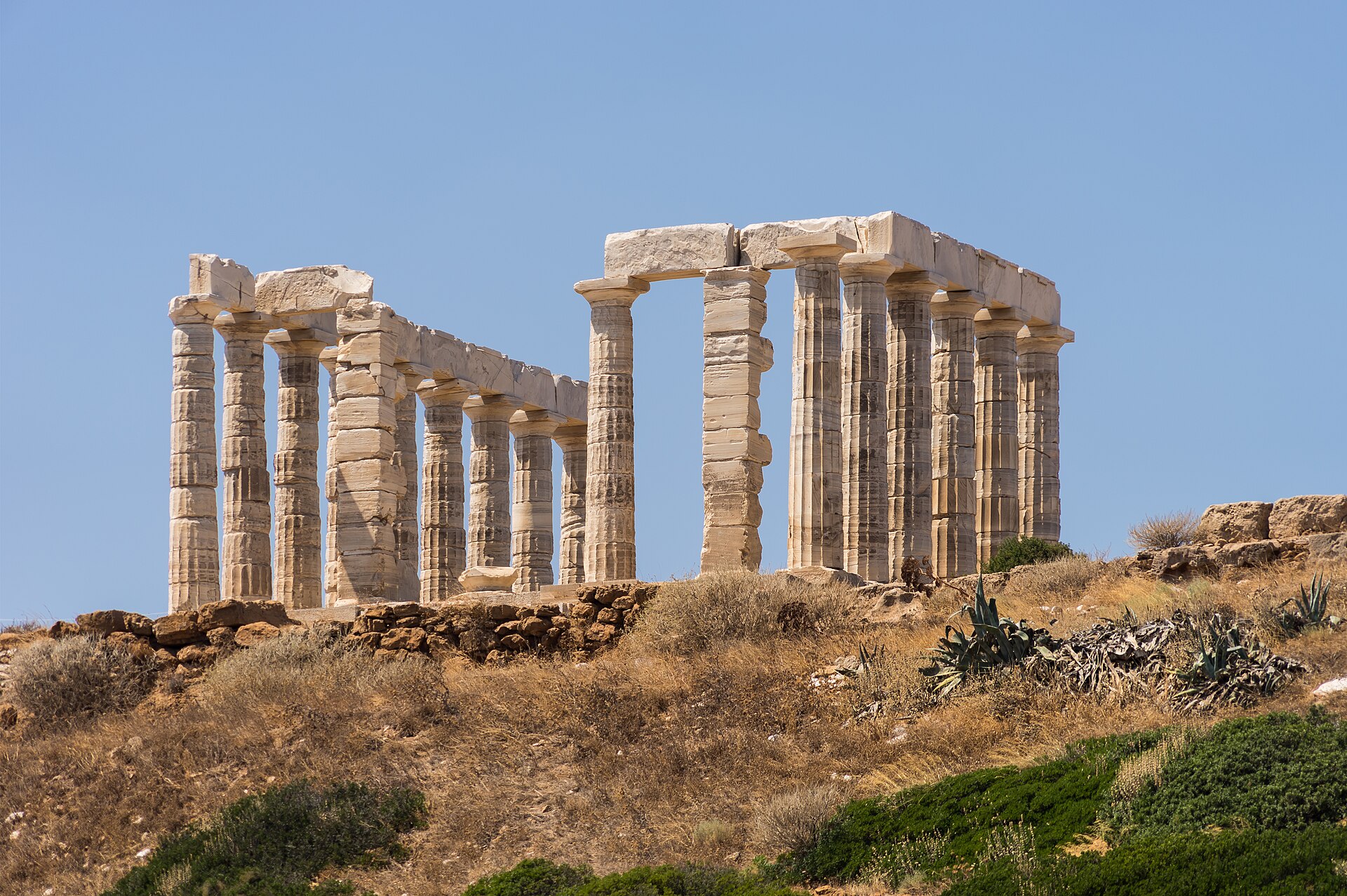
Plaka, the old quarter under the Acropolis, has narrow lanes, souvenir shops and family tavernas. The shady National Garden next to the Parliament offers a cool escape from the sun. For sunset, groups ride down the coast to Cape Sounion. There, the Temple of Poseidon, god of the sea, crowns a cliff.
Which Greece tours do groups pick in Athens?
Private tours with a driver-guide suit families with grandparents or young children. The van waits nearby, and the pace stays gentle. These Greece tours are priced per group, not per head, so the cost shares out well across a big party. A private skipper on a boat works the same way at sea.
Boat cruises with swim stops suit friends and company teams who want sun, sea and a relaxed mood together. Guided walking tours suit groups and school classes, because a guide turns old stones into lively stories. Many of the best Greece tours from Athens pair a morning walk with an afternoon by the sea.
Cooking classes and wine tastings suit food lovers, couples within the group and office teams looking for a shared activity. Everyone chops, stirs and tastes side by side, then shares the meal at a long table. It is a warm, sociable way to end a busy day of sightseeing in the capital.
What extras come with Greece tours in Athens?
Lunch or a BBQ meal is often part of the day, and that matters more than it seems. When the food is organized, nobody has to hunt for a table for a big party or split a long bill. On boat days, a BBQ on deck keeps the whole group in one location.
Drinks come with many Greece tours, and some boat trips pour them without limit. That helps organizers of company outings, since the drinks budget is fixed before the day starts. A licensed guide adds real value too. Only state-licensed guides may lead groups inside Greek sites and museums, and they know the facts well.
Wine tastings bring a slower, social close to the day, with local wines and small bites shared around the table. Swim stops on coastal trips give everyone a cool break, from the children to the team leader. A local guide also points out quiet coves, friendly cafes and convenient places to regroup.
How do groups keep the day easy in Athens?
Start early, before the heat and the crowds build on the Acropolis hill. Reserve tours well ahead, since large groups need many places on the same day. Pick a meeting point that everyone can find, such as a clear landmark in Plaka. Then share it in the group chat the night before.
Comfort matters on rocky paths and marble steps, which turn slippery when polished by many feet. Everyone needs flat shoes with good grip, a hat, sunscreen and a refillable water bottle. A light scarf or long-sleeved shirt protects shoulders from the strong sun. Short breaks in shade keep older members and small children comfortable.
Where Do Greece Tours Go On The Islands?
Greece tours on the islands sail mostly into the Cyclades, the ring of dry, sunny islands in the Aegean Sea. Santorini, Mykonos, Naxos, Paros and Milos are the stops groups ask for most. Each island has its own personality, so many groups pair a lively island with a calmer, more relaxing neighbor nearby.
What should a group see first in the islands?
Santorini comes first for most groups. The island wraps around a caldera, a huge bowl left when an ancient volcano blew apart and the sea rushed in. White villages cling to the cliff rim above it. Oia is famous for blue domes and sunsets, while Fira, the main town, buzzes with cafes, galleries and shops.
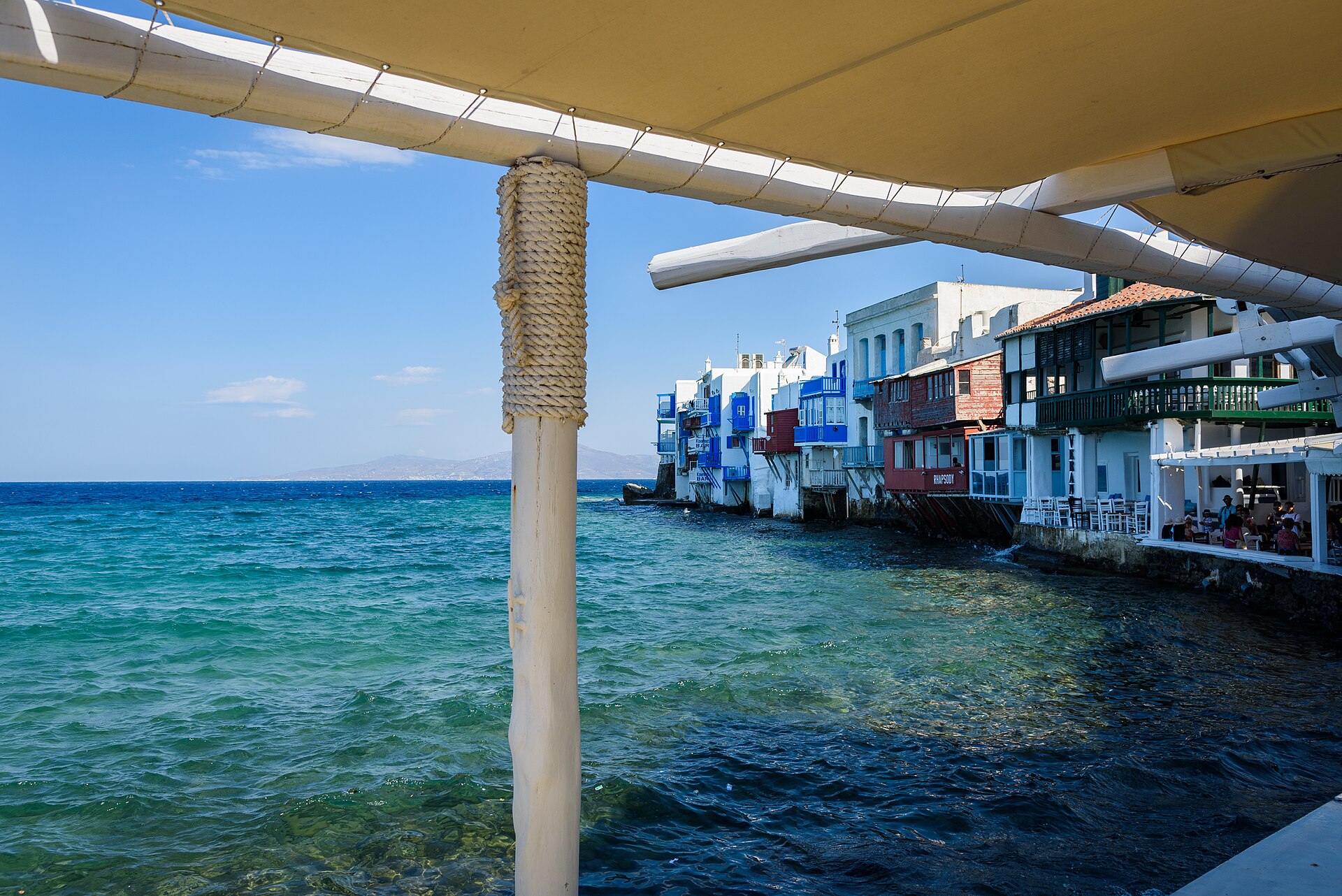
Mykonos welcomes groups with a row of white windmills on a low hill above the old town. From its port, boats cross to Delos, a sacred island where the ancient Greeks believed Apollo was born. Its famous Terrace of the Lions displays a line of marble lions that once guarded a holy lake.
Milos surprises groups with Sarakiniko, a white coast of smooth volcanic rock that looks like the surface of the moon. On Naxos, a marble gateway called the Portara stands alone by the harbor. It is the doorway of a temple that was never finished. On Paros, the fishing port of Naoussa glows at dusk.
Which Greece tours do groups pick in the islands?
Private tours with a driver-guide or a skipper suit families and close friends who like to set their own pace. A private boat, priced per group, lets everyone choose the coves and the lunch location. On land, a driver-guide can link Oia, Fira and the black-sand beaches in one relaxing day.
Boat cruises with swim stops suit big, lively groups such as sports clubs and office teams. Everyone shares one deck, one playlist and the same clear water. Full-day trips from Athens by coach suit groups short on time. They reach island life and still return to the same city hotel that night.
Snorkel and beginner scuba trips suit active teens and adventurous friends, with an instructor who explains the basics first. Cooking classes and wine tastings suit food lovers and the more relaxed members of the family or team. Groups still choosing places can compare the top Greek islands to visit before they book Greece tours.
What extras come with Greece tours in the islands?
On island boat days, lunch or a BBQ meal is usually cooked on board and served in a quiet bay. That saves a big group from hunting for a free table at a crowded harbor restaurant. Drinks are part of most island Greece tours, and some cruises pour them freely all day.
Snorkel equipment comes on board, so nobody needs to pack masks and fins for the whole family. Swim stops let mixed groups split up for a while, with strong swimmers off the side and others in the shallows. A licensed or local guide knows the safest locations and the stories behind each bay.
Free time to explore is a quiet bonus on island excursions. Groups can split into small teams to shop, swim or sit in a cafe, then meet again at the boat. Wine tastings on volcanic Santorini add a calm, tasty finish, and the local wines pair well with island cheese and tomatoes.
How do groups keep the day easy in the islands?
Island days work best when groups reserve boat seats and ferry tickets early, since popular sailings fill fast in summer. The meltemi, a strong summer wind in the Aegean, can make the sea choppy in the afternoon. Morning sailings are often calmer, and seasickness tablets help anyone who feels uneasy on the waves.
Pack light for boats: swimwear, a towel, reef-safe sunscreen, a hat and a dry bag for phones. Agree on a group leader and a clear time to meet at the port, because boats and ferries leave on time and rarely wait. A quick head count before every departure keeps the whole party together.
Where Do Greece Tours Go On The Mainland?
Greece tours on the mainland head to Delphi, Meteora and the Peloponnese, the large southern peninsula full of ancient sites. Many of these places lie within easy reach of Athens by road. Groups visit them on day trips from the capital or link them into a longer loop with hotel nights on the way.
What should a group see first in the mainland?
Delphi sits high on the green slopes of Mount Parnassus, above a valley of olive trees. The ancient Greeks called it the center of the world. People traveled far to ask the oracle, a priestess who spoke for the god Apollo, about the future. The Temple of Apollo stands at the heart of the site.
The Meteora monasteries look like something from a fairy tale. Monks built them on top of giant rock towers. People and food once rose up in nets on ropes. Further south lies Mycenae, a walled citadel, or hilltop fortress, linked to the legendary King Agamemnon. Its famous Lion Gate still welcomes visitors today.
Epidaurus has an ancient theatre where a whisper on stage carries to the top seats. Nearby Nafplio, a seaside town, was the first capital of modern Greece. In the west, the sacred sanctuary of Ancient Olympia is where the Olympic Games began. Groups crossing to the Peloponnese stop at the narrow Corinth Canal.
Which Greece tours do groups pick in the mainland?
Small-group tours suit friends and couples who want a guide’s attention without the size of a full coach. Questions get answered, and the minibus can stop for photographs. Full-day trips from Athens by coach suit bigger parties, such as clubs and school classes, who want the main sights at a good value.
Guided walking tours at Delphi, Mycenae and Olympia suit history fans and school groups, since a guide brings the ruins to life. Entry tickets suit groups with mixed energy levels who like to explore at their own pace. With tickets in hand, everyone can skip the ticket desk, then wander, rest and regroup freely.
Multi-day tours with hotel nights suit families and clubs who want to see Delphi, Meteora and the Peloponnese without rushing. The group checks into a hotel each evening, eats dinner together and sets off fresh the next morning. These Greece tours remove the stress of driving, so everyone simply enjoys the scenery.
What extras come with Greece tours in the mainland?
A licensed guide is the most useful extra on mainland Greece tours. Inside Greek archaeological sites, the law lets only state-licensed guides lead groups. Their stories turn broken stones into living towns. A local guide also knows where to find shade, clean restrooms and the best spots for a memorable group photo.
Entry tickets that come with the tour save time and stress at the entrance. The group leader does not have to collect cash or wait at the desk while everyone stands in the sun. At big sites such as Olympia, that means more time for the stadium, the temples and the museum.
Hotel nights on multi-day trips are a major advantage for groups. Rooms are reserved together, so no one ends up in a different part of town. Groups often stay in a stone inn near Meteora or a harbor hotel in Nafplio. Evenings there turn the trip into time together, not just transportation.
How do groups keep the day easy in the mainland?
Mainland days involve long drives, so groups leave early and plan rest stops for coffee and stretching. Sitting near the front helps anyone who feels carsick on mountain roads, such as the winding climb toward Delphi. Ruins have little shade, so the sunniest sites are best seen in the cool of the morning.
Every traveler needs sturdy shoes for uneven stone paths and steep monastery steps. At Meteora, the monasteries ask for modest dress, so shoulders and knees must be covered. Women receive wrap skirts at the door. Water and a hat belong in every daypack. A clear meeting time at each stop keeps everyone together.
Where Do Greece Tours Go On The Large Islands?
Greece tours on the large islands focus on Crete, Rhodes, Corfu and Zakynthos. These big islands mix ancient palaces, walled old towns and famous beaches, so each island can fill a whole group holiday. Flights and ferries from Athens reach all of them, and each island makes a handy base for day trips.
What should a group see first in the large islands?
On Crete, groups begin at Knossos, the great palace of the Minoans, one of the first great cultures in Europe. Myths say the maze of the Minotaur, a monster with a bull’s head, lay beneath it. In the west, the old port of Chania charms with its lighthouse and Venetian harbor front.
Boats from western Crete sail to Balos, a turquoise lagoon with shallow water and soft sand, framed by wild, rugged hills. On Rhodes, the old town of the knights still stands behind massive walls. These knights were Christian soldier-monks. Their Palace of the Grand Master and Street of the Knights feel like a storybook.
On Rhodes’ east coast, the white houses of Lindos climb toward a hilltop acropolis, or ancient fort. Corfu’s old town mixes Venetian lanes with French and British touches. On Zakynthos, the cove of Navagio hides a rusty shipwreck on white sand below sheer cliffs. Groups admire it from a boat or the lookout above.
Which Greece tours do groups pick in the large islands?
Private tours with a driver-guide suit families on Crete. The island is big, and the roads twist through the hills. A skipper and private boat, priced per group, suit friends who want Balos or Navagio before the crowds arrive. Boat cruises with swim stops suit livelier groups who want sun, music and sea.
Guided walking tours suit history lovers in the knights’ town of Rhodes and old Corfu town, where every lane has a history. Entry tickets suit groups who prefer to explore Knossos or the Palace of the Grand Master at their own pace. That way, teens race ahead while grandparents rest in the shade.
Cooking classes and wine tastings suit food-loving groups, especially on Crete, famous for its olive oil, herbs and village cheeses. Groups who start in the capital often add full-day trips from Athens by coach, then fly on to Crete or Rhodes. These Greece tours give a mixed group a taste of everything.
What extras come with Greece tours in the large islands?
Boat trips to Balos or along the Corfu coast often include lunch or a BBQ meal, cooked fresh and served on deck. Drinks come too, and on some cruises they are unlimited. For a big group, this means one clear cost and no chasing of orders, so the organizer can relax as well.
Swim stops in clear coves are the highlight for many families, and they give tired walkers a refreshing reset. At Knossos, a licensed guide turns a maze of low walls into a palace full of life. Entry tickets that come with the tour spare the group a wait at the ticket desk.
Wine tastings on Crete and Rhodes pair local wines with olives, bread and cheese, a relaxed way to end a hot day. A local guide adds small touches that only insiders know, such as the quietest beach or the best bakery. These details make Greece tours feel personal, even for a large party.
How do groups keep the day easy in the large islands?
Drives on the big islands take longer than they look on a map, so groups stay near the sights they want most. Early starts beat the heat at Knossos and the crowds in Lindos. Booking boats to Balos and Navagio ahead matters, since a big group needs many seats on the same boat.
Lindos and the knights’ town have steep, cobbled lanes, so supportive shoes beat sandals. Pack swimwear, a towel, a hat and water for every outing, plus a light layer for windy boat decks. Name a group leader, set a clear meeting spot by the harbor and share live locations so nobody drifts off.
Conclusion: Top Greece Tours For Group Trips This Year, Planned Well
Great Greece tours for groups start in Athens, sail to the Cyclades, climb into the mainland hills and end on a large island. Each region offers its own sights, its own kinds of tours and its own useful extras. The secret is to match each day to the personalities in the group.
Groups that mix calm days with busier ones, book popular Greece tours early and keep one clear meeting plan come home happy. Weather, sea and crowds all change through the seasons, so timing deserves thought. A look at the best time to visit Greece helps groups lock in dates that suit everyone.
Frequently Asked Questions About Top Greece Tours For Group Trips This Year
Which Greece tours are most popular with groups this year?
Boat cruises with swim stops, private tours with a driver-guide and full-day trips from Athens by coach lead the list. Guided walks around the Acropolis and cooking classes with wine tastings also rank high. Groups like these Greece tours because they keep everyone together and bundle meals, drinks or a guide into the deal.
Where should Greece tours for groups begin?
Most groups begin in Athens, since the city has the main airport, the busiest ferry port and the Acropolis. Starting there lets everyone arrive, recover from the journey and see the top sights before moving on. From the capital, trips fan out to the islands, the mainland and the large islands with ease.
Do Greece tours include transfers?
Many Greece tours include hotel pickup and drop-off, especially private tours with a driver-guide and full-day coach trips. Boat cruises and walking tours often start from a set meeting point instead. Groups should check the pickup details before booking, so nobody waits in the wrong place on the morning of the trip.
How do groups choose between island and mainland Greece tours?
Groups that want beaches, boat days and time in the water lean toward the islands. Groups that love history, old monasteries and dramatic scenery pick the mainland, where Delphi and Meteora wait. Many mixed groups divide the trip, with ancient ruins and mountain views first and a relaxing island stay to finish.
Are Greece tours worth it for a short break?
Yes, Greece tours are worth it for a short break, because they pack the best sights into well-planned days. A group can see the Acropolis, take a boat trip and visit Delphi or Cape Sounion without losing time on planning. The guide and transportation handle the details, so everyone simply enjoys each day.
When should groups travel for the best Greece tours?
Late spring and early autumn suit most groups best, with warm days and fewer crowds at the famous sites. Summer brings the liveliest island scene, but also strong heat, busy ferries and packed boats. Booking Greece tours early in any season secures enough seats on the same boat or coach for the whole party.
How do groups shortlist Greece tours?
Groups shortlist Greece tours by agreeing on shared goals first, then comparing pace, group size, inclusions and flexibility. The best choices fit the slowest walker and the keenest explorer alike. A short list keeps the group chat calm, and it turns the final vote into a quick, fair decision.
Start with what the whole group wants
Before anyone browses Greece tours, the organizer collects wishes from every member. Some people want ruins, others want the sea, and grandparents want shade and gentle walks. A simple poll in the group chat turns these wishes into a clear, ranked list of must-haves and nice extras.
The organizer also notes any limits early, such as bad knees, fear of boats, food allergies or young children who nap. These details rule out some Greece tours at once and save a lot of wasted reading. The guide for group organizers walks through this step in more depth.
Next, the group agrees on a rough daily rhythm. Some groups like a full morning of sightseeing and a lazy afternoon, while others prefer late starts and long evenings. Greece tours that match this rhythm feel easy, and the ones that fight it feel like hard work.
Compare the details that matter
Once the wish list is ready, the group compares a few strong options side by side. The main choice is between a shared departure and small-group and private tours that suit the party’s size. Private Greece tours give more control over timing, while shared ones add new faces.
Clear listings make the comparison fair. Each of the Greece tours on the shortlist should answer the same core questions:
- Is there a cap on group size, or a private option?
- Which meals, drinks and entry tickets are included?
- How flexible are the cancellation and refund rules?
- How much walking, climbing or time in the sun is involved?
- Does the pace suit both children and older members?
The group then reads the fine print on each option. For more help weighing style, pace and value, this piece on choosing the right Greek tour lays out the trade-offs. With answers in hand, the shortlist shrinks to the Greece tours that tick every box.
Why do groups like guided Greece tours?
Groups like guided Greece tours because a guide handles tickets, timing and headcounts while sharing stories nobody finds on signs. Everyone relaxes, learns more and stays together without effort. The organizer finally gets to enjoy the trip too, instead of acting as a full-time tour leader and timekeeper.
A guide keeps the day running smoothly
On guided Greece tours, the guide sets the pace, counts heads at every stop and knows where the quiet entrances are. That frees parents, teachers and team leaders from constantly watching the clock. Questions get answered on the spot, so even restless teens stay curious.
Inside Greek archaeological sites and museums, only state-licensed guides may lead groups. Their training covers history, myths and art, so guided Greece tours rest on solid facts. They explain old ideas in plain words, turning a broken column into a lively scene from everyday life.
Guides also smooth the small frictions of group travel. They hold tickets, book the lunch table ahead and know which restrooms are clean. When a member feels unwell, a local guide knows the nearest pharmacy, marked by a green cross, and how to explain the problem.
Groups who want even more say over the day can hire a guide just for themselves. This guide to private Greece tours explains how personal routes work. A private guide adapts on the move, adding a cafe stop or skipping a site when energy levels dip.
A guide eases customs and safety
Local guides also act as cultural translators. They explain why shoulders and knees stay covered in churches and monasteries, and why long, shared meals matter so much to Greeks. Groups that read up on cultural etiquette in Greece arrive ready to make a good first impression.
Guides on Greece tours keep an eye on safety as well. They steer groups away from crowded spots where pickpockets work, choose shaded routes on hot days and remind everyone to drink water. On boat days, they point out where swimming is safe and where currents run strong.
Even with a guide, each member benefits from knowing a few basics before leaving home. These safety tips for Greece cover heat, traffic and the sea in simple, practical terms. Shared knowledge means fewer surprises, quicker decisions and calmer Greece tours for the whole party.
How do groups plan travel days between Greece tours?
Groups plan travel days between Greece tours by booking seats together early, packing light and leaving slack in the schedule. A calm travel day protects the fun days on either side. Rushed connections are where group trips most often go wrong, so the plan treats each move as an event of its own.
Moving between islands by ferry
Ferries link most island Greece tours, and big groups need to book them early in summer. Buying all tickets in a single booking keeps seats close together and the paperwork simple. These Greek ferry booking tips explain routes, seat classes and how to compare fares between companies.
On the day, the group arrives at the port well before departure, since big harbors like Piraeus have many gates. Large bags stay in a luggage area near the car deck, so a few members watch them while others find seats. Good ferry travel tips also cover seasickness and the steadiest seats.
Packing light makes every transfer faster, from ferry ramps to cobbled lanes with no taxis. A carry-on and a daypack per person is the sweet spot for most Greece tours. This guide to packing light for island tours shows how to fit a whole trip into small bags.
Moving on the mainland and around cities
On the mainland, a private coach or minivan is the simplest way to move a big group with luggage between Greece tours. The driver meets everyone at the hotel door, and nobody hauls cases onto crowded buses. For mixed-age groups, this comfort is worth the extra cost.
Groups on a tighter plan can travel by train, metro and intercity bus instead. The Athens metro runs from the airport into the center, and regional buses reach many towns used as bases for Greece tours. The guide to Greece by public transport explains routes and tickets clearly.
Whatever the transport, the plan keeps travel days light. No big sightseeing is booked on the same day as a long ferry or drive, and hotel check-in comes before any outing. Rested groups enjoy the next morning’s Greece tours far more than exhausted, grumpy ones.
How do groups keep Greece tours on budget?
Groups keep Greece tours on budget by choosing options priced per group and booking early. They also skip the busiest weeks and mix paid tours with free days. Per-person costs fall as the group grows, which makes Greece strong value for larger parties. Clear money rules agreed at the start keep friendships intact.
Share costs the smart way
Private Greece tours priced per group often cost less per head than shared seats once the party is large enough. A private boat, van or guide splits neatly across many people. The organizer should compare the total group price with the shared rate per person before deciding.
A shared money app or a simple kitty keeps daily spending fair and transparent. Everyone adds the same amount at the start, and meals, coffees and snacks come out of it. These budget tips for Greece visitors add more ways to stretch the shared pot over a whole trip.
Booking early is the other big saver. Popular Greece tours often sell out or cost more as dates approach, and late bookings leave a group split across boats. Early booking also gives the organizer time to ask about group rates and free places for group leaders.
Villas and apartments with several bedrooms often cost less per person than hotel rooms for a big family or club. They also come with a kitchen for breakfasts and a shared space for evenings together. Staying in one central base also cuts transfer costs on travel days.
Mix paid tours with free days
Not every day needs a ticket or a guide. Greece is full of free pleasures, from public beaches and sunset viewpoints to old town walks, markets and lively village squares. Placing a free day between paid Greece tours rests tired legs and stretched wallets alike.
Food is another easy place to save on Greece tours. Tavernas a few streets back from the main square serve generous plates at fair cost, and shared meze dishes suit groups well. Picnics from a local bakery and a fruit market make beach days cheap and fun.
Finally, the group sets a clear budget for each person before booking anything. When everyone knows the limit in advance, nobody feels pushed into expensive extras they cannot afford. Honest money talk early on keeps Greece tours happy, relaxed and fair for the whole party.
Which Greece tours suit a city break?
For a city break, the best Greece tours are short guided walks, food tours and evening outings in Athens. They pack the big landmarks and local flavor into a few full, easy days. Groups stay in one hotel the whole time, so nobody repacks bags or loses a morning to travel.
Plan the days around the neighborhoods
A city break works best when each day covers one area on foot. A morning around the Acropolis slopes can flow into lunch in Plaka and an afternoon in Monastiraki’s flea market. Greece tours built this way cut taxi time and keep the group moving together.
Museum time deserves its own slot on city Greece tours, ideally in the afternoon heat. The list of must-see museums in Athens helps groups pick between ancient statues, old church paintings and modern art. A guide inside the halls brings the objects to life for teens and adults alike.
Evenings belong to the city’s rooftops and squares. Many groups book a sunset walk up a hill such as Philopappos, then a dinner with live Greek music in a traditional taverna. These evening Greece tours turn a busy sightseeing day into a shared celebration.
Keep the city break good value
Athens rewards groups who mix paid Greece tours with free time. Many squares, hills and streets cost nothing, and these free attractions in Athens fill gaps between guided visits. The changing of the guard outside the Parliament, with its guards in pleated kilts and pom-pom shoes, is a favorite with children.
Food-tasting Greece tours are a smart buy for a city break, because the tastings replace a full lunch. Groups sample cheese pies, honey sweets and street souvlaki while a guide explains each dish. These budget travel tips for Athens add more ways to save money in the capital.
Staying central also saves money, time and energy. A hotel near a metro stop lets the group walk to most sights and ride easily to the rest. Shorter transfers leave more time and budget for the tours that matter most to the group.
Which Greece tours suit an island escape?
For an island escape, the best Greece tours are relaxed sailing days, beach-hopping trips and village walks from a single island base. The aim is slow time together, not a race between ports. Groups settle into one friendly harbor town and let the sea and the sun set the pace.
Choose the right island base
The base island shapes the whole escape and the Greece tours on offer. Naxos and Paros suit families with long sandy beaches, good food and calm villages, while Mykonos suits friends who want lively nights. Santorini suits wedding parties and milestone celebrations, though its cliff-top towns feel busy in high season.
Easy ferry links to Athens matter as much as good beaches. This guide to island tours from Athens compares the closest and best-connected options. For short island Greece tours, the Saronic islands of Aegina, Poros and Hydra sit a quick boat ride from the capital.
Groups who want another island add it near the end of their Greece tours, once everyone has slowed down. Smart routes follow the ferry lines, and this guide on how to travel between Greek islands maps them out. Neighbors like Paros and Antiparos, or Naxos and the Small Cyclades, pair beautifully.
Fill the days with easy sea time
A day on a chartered boat often becomes the highlight of an island escape. Everyone jumps from the deck into clear water, then naps in the shade on the way to the next bay. Sailing Greece tours like this suit every age, because a skipper does all the work.
Between boat days, groups rent a few cars or book a driver to explore inland villages. Hilltop chapels, pottery workshops, olive presses and family farms show a quieter side of island life. Simple tavernas in these villages serve some of the finest home cooking around.
Families with young children should read these family-friendly travel tips before booking. Sandy, shallow beaches and short boat hops keep little ones happy. Island Greece tours with a lazy start, a long lunch break and an early night suit grandparents just as well.
Evenings on an island escape stay simple and social. Groups gather at a harbor cafe for the sunset, then share long dinners of grilled fish and salads by the water. Late strolls through whitewashed lanes end most days on a happy note.
Which Greece tours suit a history trip?
For a history trip, the best Greece tours link the great ancient sites in a logical order with licensed guides. Athens comes first, and Delphi, the Peloponnese and Meteora follow. Seen this way, the past reads like one long story, from myth and gods to monks and monasteries.
Prepare the group before the ruins
Ruins make more sense when the group knows the basics before its Greece tours begin. A short read on the Greek history worth knowing gives everyone the main names and eras. Teens enjoy the myths most, so a family can share a few gods and heroes over dinner.
On site, a practical plan saves energy on history Greece tours. This guide to ancient Greek ruins explains what to see first and how to pace each visit. Many groups visit the museum first, so statues and models help them picture the ruins outside.
Museum visits pair well with the sites. In Athens, the National Archaeological Museum holds treasures from across Greece, including the gold mask long linked to Agamemnon. Seeing such finds first makes the ruins of Mycenae feel close and real for every member of the group.
Licensed guides make the biggest difference on a history trip. Greek law reserves guiding inside archaeological sites and museums for state-licensed guides, who know which stones hold the best stories. A good guide fills an empty theatre with imagined crowds and a fallen temple with priests.
Pick the right sites and pace
History Greece tours often follow a classic loop south of Athens. Groups cross the narrow Corinth Canal, then visit Mycenae, Epidaurus and Nafplio before heading west to Olympia. Delphi and Meteora come next, which keeps the drives shorter and the stories in a clear order.
Groups that want this route ready-made can compare historical tours of Greece with hotel nights included. Multi-day Greece tours handle the driving, tickets and guides. That leaves the group free to enjoy the mountain views and talk over each day at dinner.
Pace matters as much as the site list. A single major site each day, plus a museum or an easy stroll, keeps minds sharp and feet happy on longer Greece tours. Groups with teachers or history buffs can add a lesser-known site, while families swap it for a swim.
Which Greece tours suit a grand tour of the country?
For a grand tour, the best Greece tours combine Athens, the mainland’s ancient sites and mountains, and an island finish. Escorted routes or a private driver keep the moves smooth. This style suits groups with more time who want the full picture of Greece in a single trip.
Shape the route in stages
A grand tour feels easier when it is split into clear stages. Each stage has its own mood, from city energy to mountain calm to beach rest. Grand Greece tours often follow this order:
- Athens for the Acropolis, museums and lively food streets
- Delphi and Meteora for myths, mountains and cliff-top monasteries
- The Peloponnese for Mycenae, Epidaurus, Nafplio and Olympia
- A Cyclades island such as Naxos or Santorini to unwind
- Crete or Rhodes for a longer beach and history finale
Groups that prefer a set plan can choose escorted routes, where a tour leader stays with them throughout. This piece on choosing escorted tours compares itineraries, hotel standards and pacing. Escorted Greece tours suit clubs, alumni groups and older travelers who want nothing to organize.
Groups who like freedom can hire a private driver instead and shape each day on the road. The scenic drives in mainland Greece are part of the joy, with mountain passes, olive groves and sudden sea views. A driver on private Greece tours lets everyone watch the scenery instead of the map.
Keep a long trip fresh for everyone
Long Greece tours need rest days built in. A free morning every few days lets people sleep in, do laundry, call home or wander at their own pace. Without these pauses, even keen groups start to flag long before the final stop.
Big groups on Greece tours also stay happier when they split up now and then. Some members can take a cooking class while others hike or shop, and everyone meets again for dinner. These breaks give each person a choice without pulling the group apart.
Finally, the order of stages matters. Ending on an island gives the trip a slow, sunny finale, and flights home leave easily from the larger islands or Athens. Grand Greece tours that save the beach for last send everyone home rested, not worn out.
Which destinations lead Greece tours for groups this year?
The destinations leading Greece tours for groups are Athens, the classic mainland sites, the Cyclades and a handful of larger islands. Each region offers easy logistics and wide appeal for mixed groups. Most group Greece tours mix places from more than one region, so every member finds a favorite.
Cyclades
The Cyclades are the classic picture of Greece, with white houses, blue doors and bright light. Ferries link them in easy chains, so group Greece tours can join several islands in a single loop. Each island below suits a different kind of group, from lively friends to quiet families.
- Santorini: cliff-top villages, blue domes and sunsets over a volcanic caldera
- Mykonos: windmills, Little Venice and the boat trip to sacred Delos
- Naxos: the marble Portara gateway, mountain villages and long sandy beaches
- Paros: the fishing harbor of Naoussa and relaxed, family-friendly beaches
- Milos: lunar white rocks at Sarakiniko and colorful fishing huts by the sea
Mainland
The mainland holds the great names of ancient Greece, all within reach of Athens by coach, train or minivan. These sites anchor history-focused Greece tours, and licensed guides bring each one to life with myths and plain facts. Schools, clubs and multi-generation families find plenty here to share and discuss.
- Athens: the Acropolis, great museums and the start of most Greece tours
- Delphi: the oracle of Apollo high on the slopes of Mount Parnassus
- Olympia: the sacred grove where the Olympic Games began in ancient times
- Mycenae: the Lion Gate and the hilltop fortress of King Agamemnon
- Epidaurus: an ancient theatre whose sound reaches every stone seat clearly
More islands
Beyond the Cyclades, larger islands give groups more space, more beaches and more variety. Rhodes lies in the southeast, while Corfu, Kefalonia and Zakynthos are the green islands of the Ionian Sea. Many of them have direct flights from across Europe, which makes Greece tours here simple to arrange.
- Rhodes: a walled medieval town of knights and white Lindos
- Corfu: a Venetian old town, green hills and calm Ionian beaches
- Kefalonia: Myrtos beach, the Melissani cave lake and quiet harbor villages
- Zakynthos: the Navagio shipwreck cove, blue sea caves and nesting sea turtles
How do groups plan Greece tours over six days?
Groups plan Greece tours over six days by spending two days in Athens, one day at Meteora and three days on the islands. This mix covers history, scenery and the sea without rushing. A clear daily plan, shared in the group chat before departure, keeps everyone on the same page.
Two Athens days
The first day of these Greece tours starts at the Acropolis early, before the heat and the crowds peak. After the hill, the group visits the Acropolis Museum, then eats a long lunch in Plaka. The afternoon stays free for naps and unpacking, which matters after a long flight.
Evening brings a walk through the old market streets and a rooftop dinner facing the lit-up Parthenon. Groups that arrive late can swap the order and save the hill for the next morning. Either way, the first night sets a relaxed tone for the Greece tours ahead.
Day two heads out of the center. Groups choose among Greece tours like a drive to Cape Sounion, a boat trip to nearby islands or a cooking class. A private minivan keeps the day flexible for families with mixed energy levels and small children.
Groups that prefer to run the days themselves can follow this guide to self-guided itinerary planning. It shows how to book entry slots, metro rides and taxis in the right order for a big group. Self-guided Greece tours cost less, though the organizer carries more of the work.
Groups heading to Meteora next should sleep early on the second night. Big bags can stay at the Athens hotel while the group travels light for the day. A quick briefing over dinner sets meeting times, seats and snacks for the long ride.
A Meteora day
Day three is the big mainland trip to Meteora, where monasteries sit on top of tall rock pillars. Groups leave Athens early by private coach or train and return late, so comfort on the road matters. On Meteora Greece tours, reclining seats, snacks and a charged phone make the ride easy.
At the rocks, a licensed guide explains how the first monks climbed up to pray in peace, then built homes on the summits. Groups visit a few of the open monasteries, each with painted chapels and wide views. Stairs cut into the rock lead up to each entrance, so steady shoes help.
Lunch is usually in Kalambaka or Kastraki, the villages at the foot of the rocks. Before the drive back, many Greece tours stop at a viewpoint for a final look over the pillars. It is the photo that every member of the group takes home.
Groups with more time can turn this into an overnight stay. Sunrise over the rocks, with mist in the valley, rewards anyone willing to wake early. The extra night also breaks up the long road and makes Greece tours to Meteora far less tiring.
Three island days
Days four to six move the group to the islands by ferry or a short flight. Island Greece tours usually pair Santorini and Mykonos, linked by fast boats, though Naxos makes a calmer swap for families. The Athens, Santorini and Mykonos itinerary shows the same route with an extra day.
On Greece tours like this, the first island day is for settling in and a sunset. On Santorini, groups walk the cliff path between Fira and Oia or catch a caldera cruise with swim stops at the hot springs. Dinner with a view of the volcano rounds off the day.
The next morning, the group takes a fast ferry to Mykonos. Windmills, Little Venice and beach clubs fill the afternoon, and a boat to Delos makes the final morning special. Smart Greek island hopping means booking these boats early, all on one reservation, before summer Greece tours sell out.
Families who prefer calm can stay on Naxos instead, with sandy beaches, mountain villages and the Portara at sunset. Either way, the last afternoon stays open for packing, swimming and a final group meal. Six days of Greece tours end best with a slow goodbye, not a dash to the airport.
More questions about Greece tours for groups
Groups often ask practical questions about Greece tours before they book, from guide language and rainy days to teens, tipping and packing. The short answers below cover the most common ones, with advice that helps any group plan well.
Can groups book Greece tours with mixed nationalities?
Yes, groups with mixed nationalities book Greece tours all the time, and guides are used to explaining things for people from many countries. Shared meals and team activities help members from different backgrounds bond quickly and easily. Visa and entry rules differ by passport, so each member checks their own before booking.
Are Greece tours good for teenagers?
Greece tours are great for teenagers when they mix active days with stories, such as snorkeling, kayaking, myth-filled site visits and boat trips. Guides who tell lively tales of gods, monsters and heroes keep teens listening, even at the hottest ruins. Giving them a say in the daily plan keeps their mood bright.
Do Greece tours run when it rains?
Most Greece tours run in light rain, since walking tours, museum visits and site tours simply carry on with umbrellas and jackets. Boat trips are different, because port authorities cancel sailings in strong winds or rough seas. In that case, tour providers normally offer a new date, another tour or a full refund.
Can groups book a guide in their own language for Greece tours?
Yes, groups can book licensed guides who speak many languages, including French, German, Spanish and Italian, especially on private Greece tours. Less common languages need more notice, so the organizer should ask as soon as dates are set. Shared tours mostly run in English, with some departures in other major languages.
How do groups tip guides on Greece tours?
Tipping on Greece tours is welcome but not required. Groups usually collect a modest amount from everyone and hand it over in an envelope at the end. Drivers and boat crews appreciate a small tip as well, and a warm, personal thank-you always means a lot.
What should groups pack for Greece tours in spring?
For Greece tours in spring, groups should pack light layers, a warm jacket for evenings, comfortable walking shoes, sunscreen and a hat. Spring weather changes fast, so a light rain jacket and a small umbrella earn their place. The sea stays cool in early spring, but brave swimmers still pack a swimsuit.
See more in Athens Escorts:
- Escort Βούλα: Οδηγός για Συνοδούς στη Βούλα και τα Νότια Προάστια
- Escort Περιστέρι: Οδηγός για Outcall και Incall Συνοδούς στη Δυτική Αθήνα
- Couples friendly υπηρεσίες: Πώς τα ζευγάρια μπορούν να εμπλουτίσουν την εμπειρία τους
- 10 Τρόποι πώς να ξαναβρείτε τη σπίθα στη σχέση σας
- Πότε Γίνονται Τα Ποσειδώνια 2026: Ημερομηνίες, Πρόγραμμα Και Όσα Πρέπει Να Ξέρετε